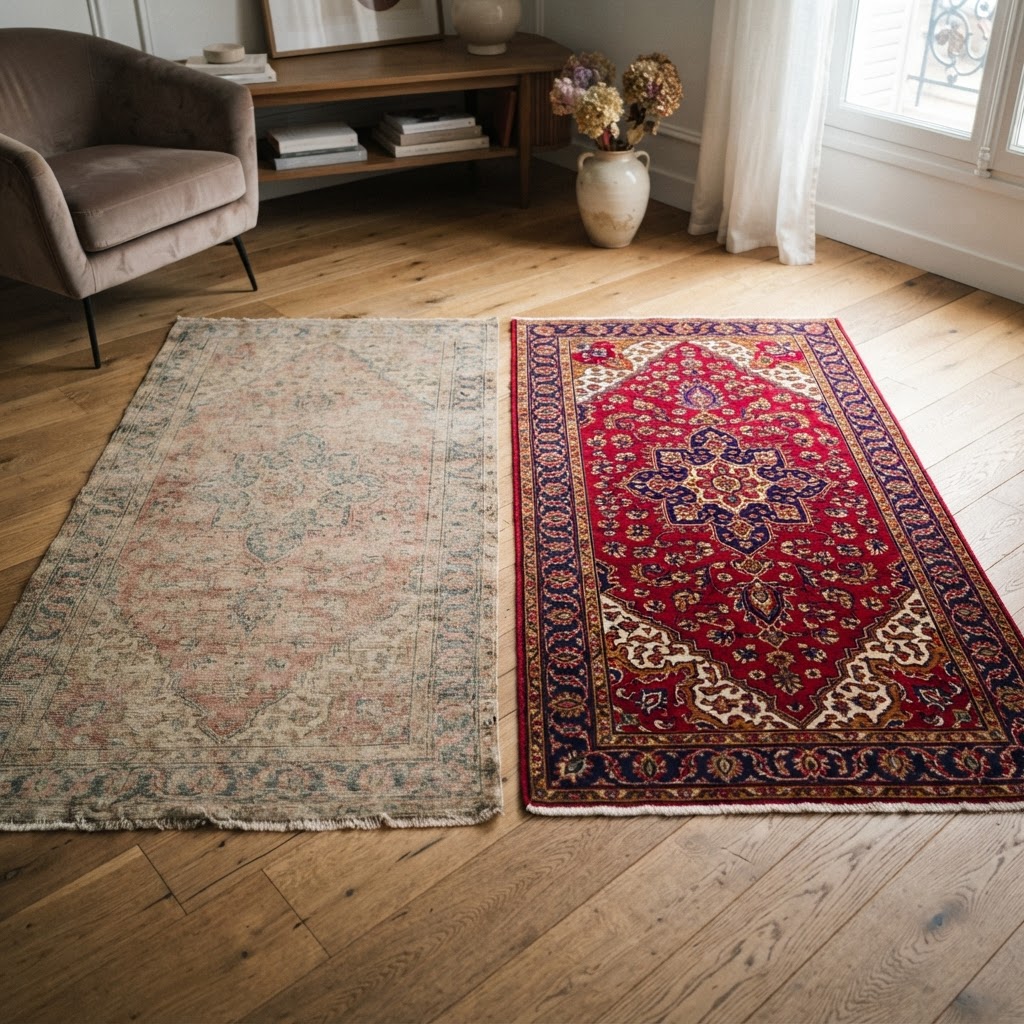
Deciding whether to clean or replace a rug is a common dilemma for homeowners throughout Newcastle and the Hunter Region. A rug is often more than just a floor covering; it is a design anchor, a source of comfort, and frequently an investment piece that ties a room together. However, over time, the rigours of daily life—foot traffic, spills, pets, and environmental factors—can take their toll. When your rug begins to look tired, dull, or even damaged, the instinct might be to discard it for a new one. Yet, before you head to the shops, it is vital to pause and evaluate whether the rug has truly reached the end of its functional life or if it simply requires a professional rejuvenation.
At Newcastle Rug Wash, we advocate for an 'Assessment Before Assumption' approach. Not every stain is permanent, and not every frayed edge signals the need for a trip to the tip. By understanding the intricacies of rug fibre, construction, and the degree of damage, you can make an informed decision that is both economically and environmentally sound. This comprehensive guide will help you navigate the nuances of rug care, providing you with the tools to determine if your rug deserves a second life or if it is time to invest in a replacement.
Understanding Your Rug: The Foundation of the Decision
To determine when to replace a rug, you must first understand what kind of rug you are dealing with. The construction method and fibre type are the primary indicators of a rug’s longevity and its ability to withstand cleaning. A high-quality, hand-knotted Persian or Oriental rug made from wool or silk is structurally different from a machine-made synthetic rug found in a department store.
Hand-knotted rugs are designed to last for generations, often increasing in character as they age. They are constructed with individual knots tied onto a foundation of cotton or wool warps. Because these rugs are built for durability, they are excellent candidates for professional cleaning and even extensive repair. Conversely, many modern, mass-produced rugs are constructed using synthetic backings held together by adhesives. These rugs have a predetermined rug lifespan dictated by the degradation of the glue and the quality of the synthetic fibres, which are prone to crushing and permanent staining.
When assessing your rug, ask yourself the following:
- Is the rug made of natural materials (wool, silk, cotton, jute) or synthetics (polypropylene, nylon, polyester)?
- Is it hand-knotted, hand-tufted, or machine-woven?
- What is its provenance? Was it an investment piece or a budget-friendly accent rug?
Understanding these factors allows you to manage your expectations. A hand-knotted rug worth thousands of dollars is almost always worth cleaning or restoring, regardless of its age. A machine-made rug that costs less than the price of a professional clean is, by contrast, a candidate for replacement if it is significantly damaged.
The Assessment Process: Physical Wear and Structural Integrity
Structural integrity is the most critical factor in the clean or replace rug debate. A rug can look dirty, but if the foundation is sound, a professional wash can restore it to a near-new appearance. However, if the rug is falling apart at the structural level, cleaning will only accelerate its demise.
Inspecting for Fibre Wear
Fibre wear usually manifests in high-traffic areas, such as hallways or underneath the feet of a dining table. If you notice the pile has worn down to the foundation (the "bald spots"), this is a sign of significant wear. While a professional rug wash can revitalise the remaining fibres, it cannot regrow pile that has been walked off. If the bald spots are minor, they can sometimes be camouflaged or repaired, but extensive thinning often suggests that the rug has served its time.
Checking the Foundation
The foundation of a rug—the warp and weft—is the skeleton that holds everything together. If you flip your rug over, you should inspect for dry rot or brittle fibres. Dry rot often occurs in homes near the coast in Newcastle due to moisture absorption if the rug hasn't been cleaned or aired properly. If the foundation is so brittle that it snaps when you bend it, the rug is likely beyond structural repair. Furthermore, if you notice the fringes are coming away or the side cords (selvedges) are unravelling, these are indicators of structural fatigue. While these can be fixed through rug restoration, you must weigh the cost of the repair against the overall value of the rug.
Odour, Contamination, and Health Concerns
Sometimes, the decision to replace a rug isn't about how it looks, but how it behaves. Persistent odours, particularly those caused by pet urine, can be a major disruptor to home comfort. Unlike surface stains, pet urine soaks deep into the foundation and the rug's padding. If left untreated, the uric acid salts crystallise, making the smell almost impossible to remove with standard home remedies.
When Cleaning Solves Odour
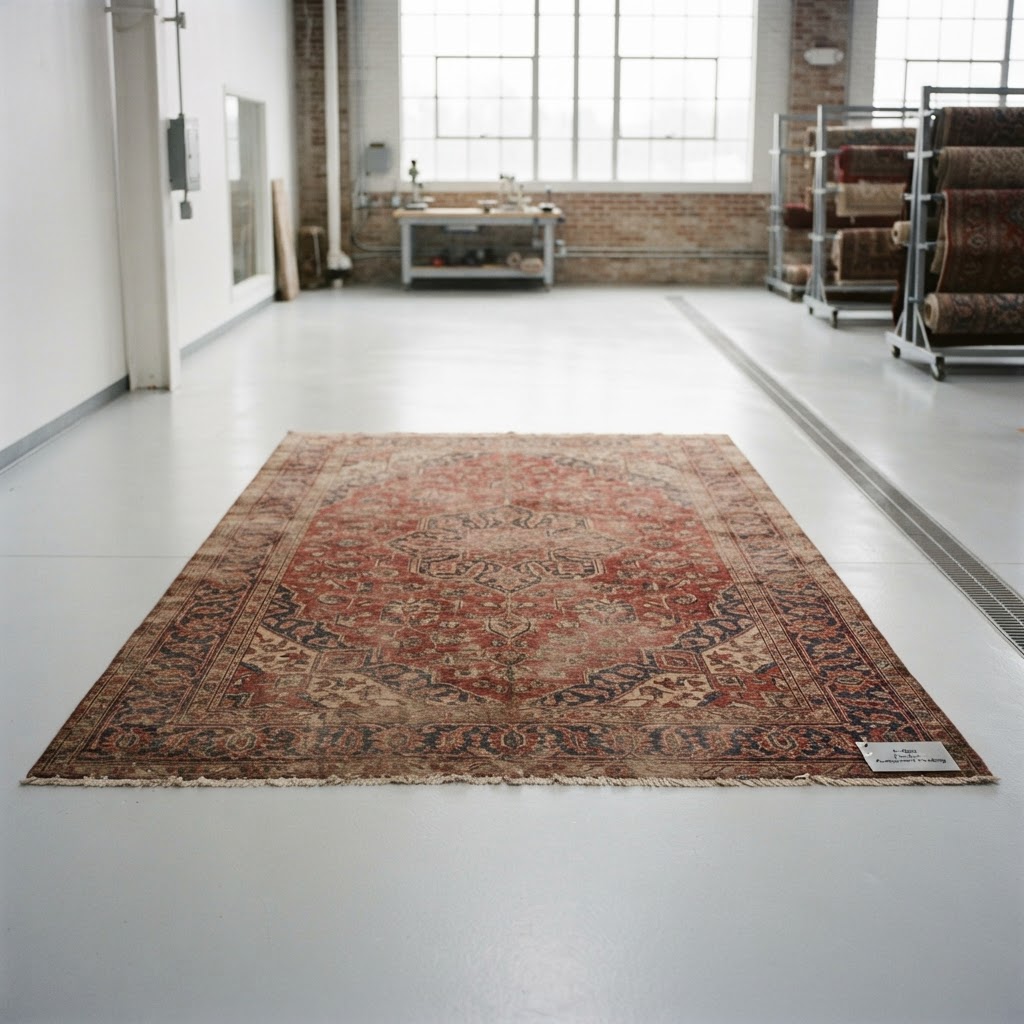
Professional rug cleaning facilities use specialised sub-surface extraction and enzymatic treatments designed to neutralise these salts. If the rug is of high quality and the urine contamination is not so severe that it has rotted the foundation, professional cleaning is highly effective. We see many beautiful heirloom rugs saved from the bin simply because they were treated for pet accidents by professionals rather than replaced.
When Contamination Warrants Replacement
There are, however, scenarios where the damage caused by contamination is irreversible. If your rug has been exposed to significant water damage (such as a burst pipe or flooding) and has remained damp for several days, it is highly likely to have developed mould and mildew. Mould spores can be a serious health risk, particularly for family members with respiratory issues. If the mould has permeated the backing and the foundation is compromised, the rug should be discarded. Attempting to clean a heavily mould-infested rug is often ineffective and can lead to the spreading of spores throughout your home.
Assessing Stains: Are They Permanent?
One of the most common reasons for wanting to replace a rug is a stubborn stain. From red wine to coffee, or mysterious spills from years gone by, stains can make a room look unkempt. Before deciding to replace the piece, consider the nature of the spill and how long it has been there.
Many homeowners assume that if a DIY cleaner hasn't removed the stain, it is permanent. This is a common misconception. In fact, many DIY cleaning attempts actually "set" the stain or leave behind a soapy residue that attracts more dirt, making the rug look worse over time.
The Difference Between Stains and Discolouration
- Stains: A spill that has coloured the fibre. Professionals can often remove these using targeted chemistry that breaks down the dye or the substance causing the mark.
- Discolouration/Fading: Exposure to direct Australian UV sunlight is the most common cause of permanent colour loss. If your rug is placed in a sunny spot in your living room, the dyes will naturally fade over time. While this can sometimes be addressed through professional re-dying (a complex and expensive process), it is more often a natural sign of aging that should be accepted as part of the rug's history.
If the rug is a sentimental piece and the stain is bothering you, we recommend seeking a professional assessment before giving up. We often find that what the client believes is a permanent stain is actually a combination of soiling and detergent residue that can be successfully removed.
The Cost Comparison: Restoration vs. Replacement
When faced with a rug that is showing its age, the cost is naturally a major consideration. It is helpful to conduct a "value vs. cost" calculation.
- Calculate the Replacement Cost: Look for a rug of similar quality, size, and material. If you have a high-quality wool hand-knotted rug, a true replacement is an expensive proposition.
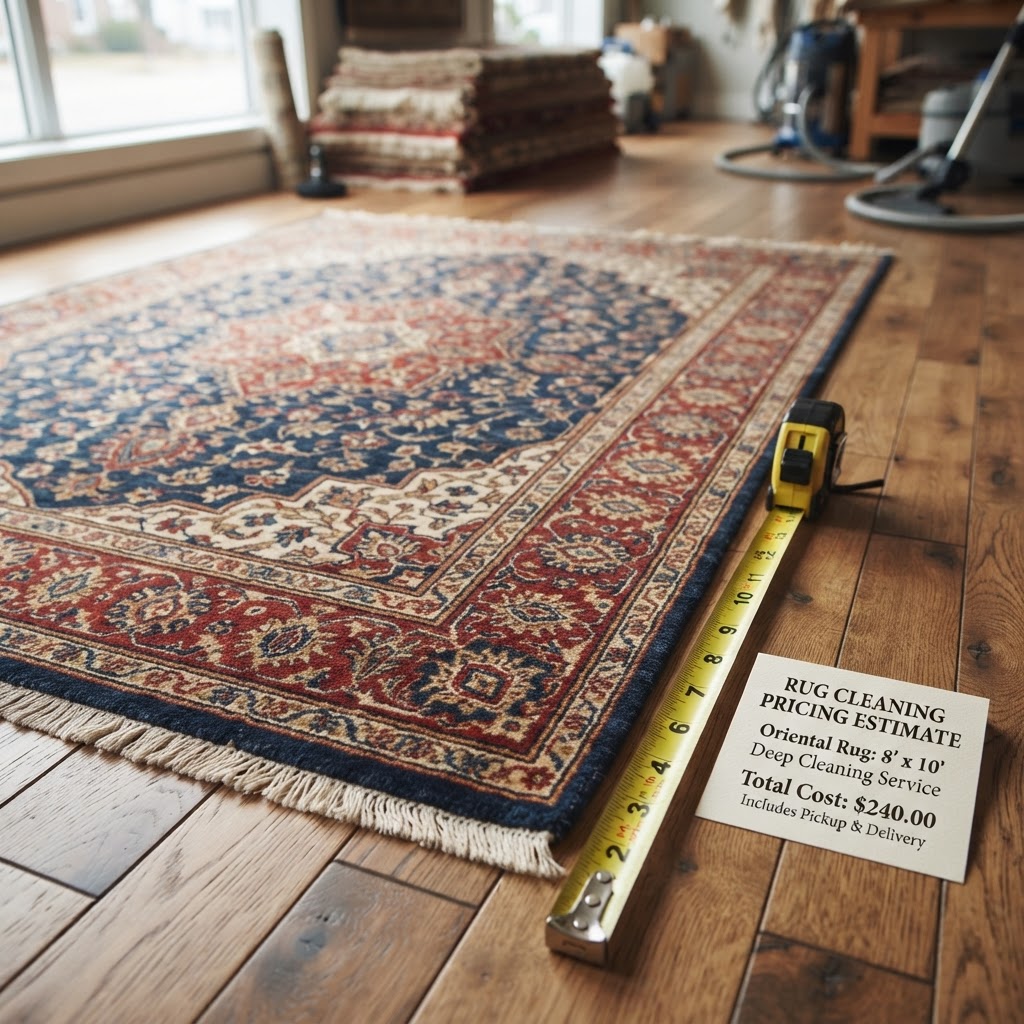
- Calculate the Cleaning/Restoration Cost: Obtain a professional quote for a deep clean and any necessary minor repairs, such as fringe re-binding or edge wrapping.
- The "Throwaway" Trap: Many people purchase inexpensive, machine-made rugs with the intention of replacing them every few years. If your current rug falls into this category, the cost of a professional deep clean might indeed be close to the price of a new, budget-friendly rug. In this instance, replacing the rug is a logical choice.
However, do not be fooled by the "cheap and new" mindset. A high-quality wool rug is an asset that can last for fifty years or more with proper maintenance. Replacing it with a low-quality synthetic rug not only results in a loss of aesthetic value but also contributes to landfill waste. If your rug is a quality item, the rug restoration route is almost always the more cost-effective and environmentally responsible path.
The Emotional and Historical Value Factor
Not every rug can be valued solely in dollars and cents. Many rugs found in Newcastle homes are family heirlooms—perhaps a rug passed down through generations or purchased during travels abroad. In these cases, the question of whether to clean or replace a rug is deeply personal.
If an item holds significant sentimental value, restoration is rarely about the financial "worth" of the piece. It is about preserving a memory. Rug restoration can involve:
- Reweaving: Rebuilding sections of the rug where the knots have been lost.
- Fringe Restoration: Replacing or securing the ends to prevent further unraveling.
- Colour Restoration: Touching up areas where the colour has faded or bled.
If you have a rug that has been in your family for decades, we strongly suggest a professional inspection. We have worked on many rugs that were stored in attics, covered in dust, and thought to be beyond repair, only to find that beneath the surface, they were beautiful, resilient, and perfectly capable of being restored to their former glory.
When to Seek Professional Assessment
The most honest advice we can offer is this: do not guess. Rugs are complex textiles, and the factors determining their condition are often invisible to the untrained eye. A professional rug specialist, such as those at Newcastle Rug Wash, looks for signs of wear, insect damage (like moth larvae), and structural issues that the average homeowner might overlook.
Why Professional Advice Matters
A professional assessment provides you with:
- An Honest Appraisal: We will tell you if the cost of cleaning or repairing outweighs the value or future utility of the rug.
- A Tailored Plan: We can identify the fibre type and the specific cleaning methods that will yield the best results without damaging the rug.
- Preventative Advice: We can show you how to properly rotate your rug, what kind of underlay will extend its rug lifespan, and how to address spills safely at home before they become permanent stains.
If you are unsure whether your rug is worth the effort, bring it in for a professional opinion. There is no obligation to proceed with cleaning, and having an expert explain the condition of your rug will give you peace of mind, regardless of your final decision.
Conclusion: Balancing Sustainability and Practicality
The choice to clean or replace a rug should be viewed as a balance between practicality, aesthetics, and sustainability. Our "throwaway culture" often pressures us to replace items at the first sign of wear. However, the world of fine rugs is inherently sustainable. Because they are built to last, they are designed to be cleaned, repaired, and enjoyed over decades.
If your rug is a high-quality piece made from durable natural fibres, professional cleaning is an investment in that piece's longevity. By maintaining your rugs properly, you avoid the waste associated with replacing them, maintain the value of your interior design, and keep a piece of history or art in your home.
If your rug is a mass-produced, low-cost item that has served its purpose and now shows significant structural failure or deep contamination, then replacement is the pragmatic choice. By assessing the fibres, checking the structural integrity, and understanding the history of the rug, you are better equipped to make a choice that fits your home and your values.
In the Hunter Region, where many of us appreciate the quality and longevity of well-made items, the best approach is to care for what we have. Before you consign a rug to the scrap heap, take the time to inspect it, learn about its construction, and consider the benefits of a professional assessment. Often, you will find that your rug isn't "worn out"—it is simply waiting for the right kind of care to be ready for its next decade in your home. Always prioritise professional inspection, look after your investment, and when in doubt, consult with those who understand the intricate, woven history of your floor coverings.